Tony Selvaggio and eSmart Recycling win literacy award

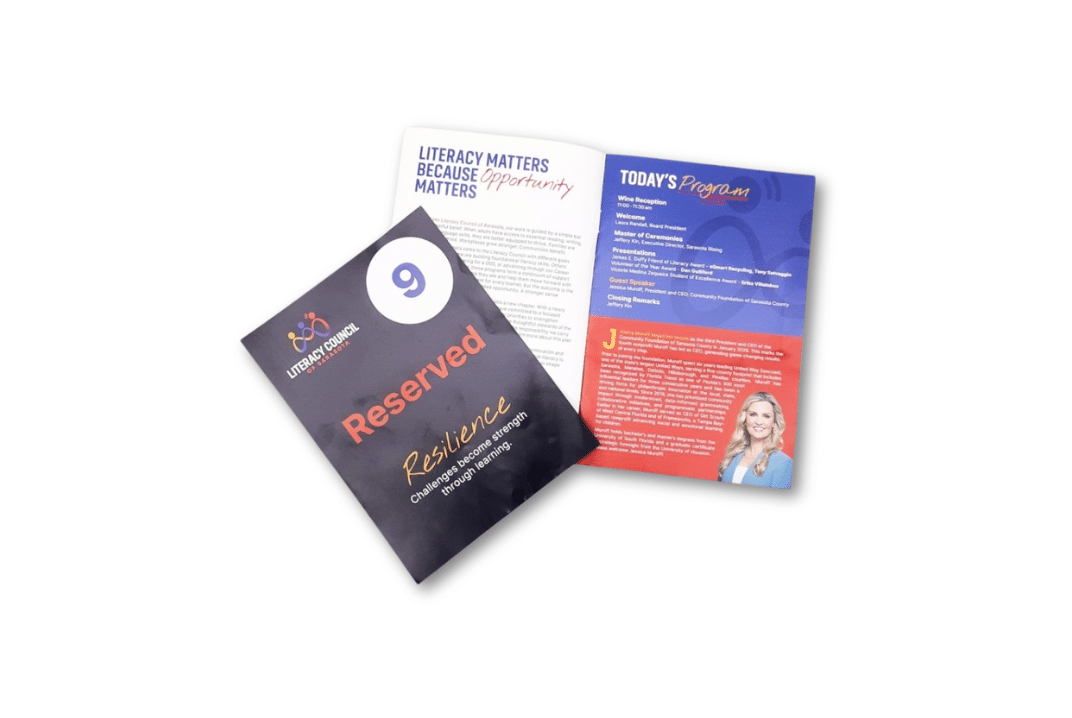
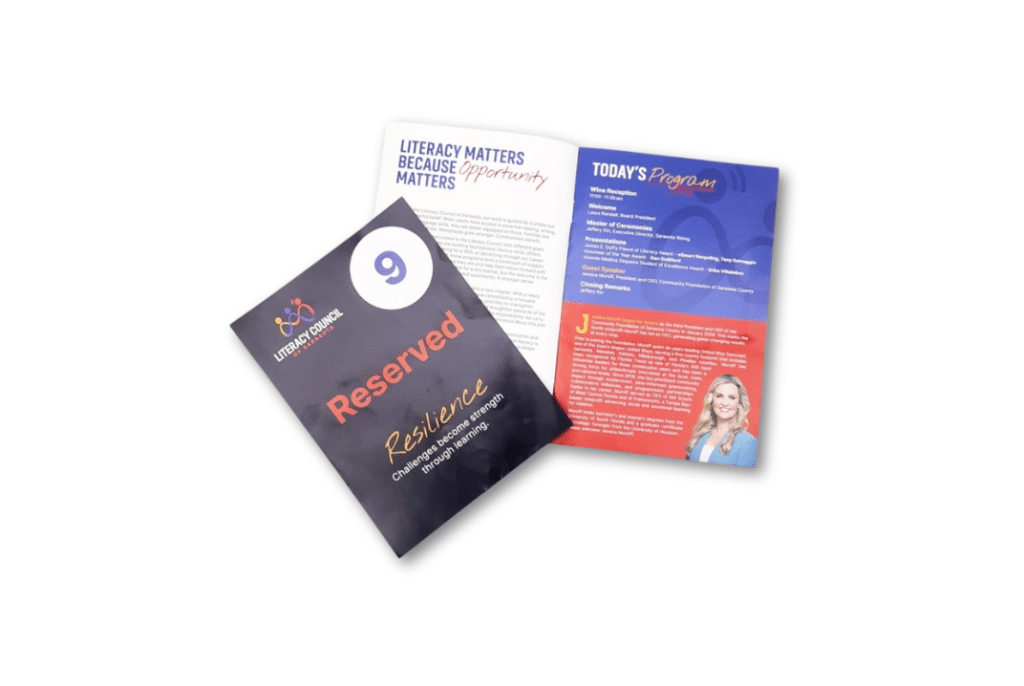
On February 27, 2026, we received the James E. Duffy Friend of Literacy Award in Sarasota, Florida. It’s not common for an electronics recycling company to win a literacy award. But when you understand how the digital divide works, the connection is clear.

Tony Selvaggio, our CEO, took the stage at the 19th Annual Literacy Matters Luncheon and opened with a question that stopped the room:

“How do we explain that 1 in 5 folks, families here in Sarasota County are experiencing literacy issues?”

He continued: “Best country in the world, one of the best communities in the country. How do we explain that we still have kids who don’t have computers in their homes?”

The answer is in what we do every day in Tampa.

Literacy and technology access are the same problem

One in five adults in Sarasota County lacks basic English communication or literacy skills. These people can’t fill out online job applications. They can’t help their kids with homework. They can’t access telehealth services or enroll in adult education programs.

And the reason isn’t always a lack of training. Sometimes it’s simply that they don’t have a computer.

More than 30 million people in the United States don’t have reliable access to technology and connectivity. Meanwhile, an estimated 200,000 computers are discarded every day in the country.

Tony framed it this way in his speech: “Who is measuring the gap and the people that are being left behind just because technology is advancing so fast that only the privileged few have access to maximize the power?”

That’s where we come in.

How do we connect recycling with literacy?

Since 2014, we’ve been recycling electronic equipment from businesses in Tampa Bay and using part of that revenue to redistribute refurbished devices to families, schools, and nonprofits. We reinvest between 20 and 30% of our proceeds back into the community.

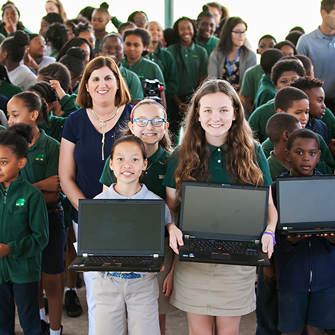
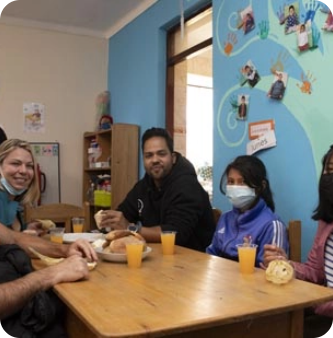
The Literacy Council of Sarasota has received scores of laptop computers for its adult learners over the last few years. Those laptops allow people learning English to practice at home. Adults studying for their GED complete exercises outside the classroom. Parents need to access educational resources for their children.

That’s digital literacy. And without a computer, it doesn’t exist.

“E-waste happens when we see used technology as waste, instead of seeing it as an instrument to change lives, for human progress.” — Tony Selvaggio

That phrase sums up everything we do. We don’t see scrap. We see access.

Who was James E. Duffy, and why does this award matters

James E. Duffy was president of ABC Television Network for 15 years. After a 46-year career in media, he dedicated his retirement to public service. He received President Reagan’s Volunteer Action Award and the National Literacy Coalition’s Lifetime Achievement Award.

What made Duffy special wasn’t just his influence. It was his conviction that the media has a public responsibility. He understood that access to information—whether through TV, radio, or computers—is a basic right.

During his years in Sarasota, he was an active member of the Literacy Council. When he passed away in 2021, the Literacy Council named its annual award in his honor.

Receiving this recognition isn’t just an achievement for us. It’s validation that responsible technology recycling can be a tool to close social gaps.

 

How our model works in Tampa Bay

We don’t just hand out computers and call it done. That doesn’t work.

As Tony has said: “It’s not enough to provide access—what matters is how the community uses that technology to grow together and stay connected”.

Here’s how we do it:

Step 1: Companies recycle their equipment with us
When a company updates its technology every 3 to 5 years, we pick up the old devices. We offer R2v3 certification and HIPAA-compliant data destruction. The equipment doesn’t end up in landfills or pose a security risk.

Step 2: We evaluate what can be reused
Some devices are truly obsolete and get recycled properly. But many just need cleaning, software updates, and operating system reinstallation. Those get refurbished.

Step 3: We redistribute through community partners
We don’t hand out laptops on the street. We work with organizations already connected to the communities that need the equipment: the Literacy Council, Hillsborough Education Foundation, Hope for Her, Pace Center for Girls, among others.

Step 4: We ensure there’s support
We partner with the Digital Education Foundation to create tech hubs in areas like South St. Pete, where they offer SAT prep, telehealth training, and community instructors. We don’t just give equipment. We give the ecosystem.

In 2024, we recycled more than 228,879 pounds of e-waste and redistributed nearly 600 devices that directly benefited more than 2,000 people.

Beyond Tampa Bay

During his speech, Tony reminded us: “We just happen to be blessed to be in America and experience the top of the top, but the rest of the world is not.”

That’s why our work doesn’t stop at the Gulf Coast. We’ve partnered with the Nuestra America Foundation to send refurbished devices to schools and community centers in Latin America.

Because the digital divide isn’t just a Tampa problem. It’s global. And if we can do something about it from here, we do.

Why companies should recycle technology responsibly

This isn’t charity. It’s corporate responsibility done right.

When a company recycles with us:

  • They receive data destruction certificates that comply with internal audits and regulations.
  • They get detailed reports on how much material was recycled, how much was reused, and how many pounds of CO₂ were avoided.
  • They become part of a real story: every device recycled funds digital access for someone in their community.

eSmart was one of 12 companies selected nationwide—and the only one in Florida—for the Apple Impact Accelerator. That doesn’t happen because we’re good at recycling. It happens because we demonstrate that recycling can have a measurable social return.

Companies that work with us aren’t just meeting environmental standards. They’re funding literacy, employability, and access to basic services for families who would otherwise be left out of the system.

An award that recognizes an entire community

At the end of his speech, Tony didn’t celebrate eSmart’s achievement. He thanked those doing the real work:

“Thank you so much to everybody who’s doing what it takes to figure out how to move forward and how to empower our communities.”

He specifically mentioned the Patterson Foundation, the Digital Education Foundation, and the Literacy Council of Sarasota. He also acknowledged the anonymous donor who underwrote the event and matched every gift dollar for dollar, up to $10,000.

Because this award isn’t just ours. It belongs to every company that decided to recycle responsibly. To every organization that distributed the equipment. To every tutor who taught someone to use that computer.

The Literacy Council of Sarasota has been committed to “Each One, Teach One” since 1978. We do the same thing, just with computers instead of books.

What can companies do today?

If your company is upgrading equipment, don’t let it sit in storage indefinitely. Don’t throw it away without a documented process.

Recycling technology responsibly means:

  • Certified data destruction.
  • Complete process traceability.
  • Reports that work for ESG audits.
  • Knowing that part of what you discard becomes useful for someone else.

We handle everything: pickup, auditing, data destruction, valuation, and redistribution. And every device we process becomes part of a chain that connects environmental responsibility with educational access.

The James E. Duffy Friend of Literacy Award isn’t just recognition for what we’ve done. It’s a reminder of what still needs to be done.

 

Request a Pickup – We’ll Take It From Here

Fill out the form below to request your electronics recycling pickup.
We’ll coordinate the schedule logistics and follow up with next steps.

Recent posts

March 25, 2026

When a company moves, the problem isn’t just the boxes. It’s the stacked laptops, monitors nobody’s used since 2019, ownerless cables, and that printer that “still works” but nobody wants to take. If you’re coordinating an office relocation in Tampa and staring at 15, 30, or 50 electronic devices, wondering what to do with them, this article is for you.

Why old laptops are a real problem during moves

Most companies don’t have a plan for their equipment when changing locations. According to the EPA, only 15-20% of electronic devices in the United States are properly recycled. The rest ends up in landfills or stored “just in case” at the new office.

The main fear isn’t the space they take up. It’s what they contain: sensitive business data. Emails, contracts, customer information, system access credentials. Throwing a laptop in the trash without wiping that data can cost you more than the move itself.

In 2023, Morgan Stanley paid a $35 million fine for failing to properly destroy data on discarded equipment. It wasn’t a hack. It was carelessness in the recycling process.

What to do with old laptops: three real paths

1. Refurbish and redistribute internally

If your laptops are less than 5 years old and only need cleaning or updates, they might work for new employees, administrative areas, or occasional remote work.

Before reassigning them:

  • Completely wipe the hard drive (factory reset isn’t enough)
  • Update the operating system
  • Verify they meet minimum security requirements

This only works if you have IT staff available and time. During a move, you rarely have both.

2. Sell or trade with vendors

Some companies buy batches of used corporate equipment. Gazelle, for example, offers quotes for Apple equipment and some PC brands.

The problem: the process takes time, requires individual evaluation of each device, and prices are usually low. For a company moving in two weeks, it’s not practical.

3. Recycle with certified data destruction

This is where professional electronics recycling comes in. We at eSmart Recycling handle this process daily for companies in Tampa.

Here’s how it works:

  • We collect equipment at your location (you don’t have to transport anything)
  • We do a complete inventory of what we receive
  • We destroy data following HIPAA and NIST standards
  • We deliver a certificate of data destruction
  • We recycle or refurbish, depending on equipment condition

The main difference: you don’t have to touch the equipment. Just tell us when and where to pick up.

What happens to your data when recycling laptops

This is the question that stops most companies. And it’s valid.

When you delete files or format a disk, the data is still there. Recovery programs can access that information in minutes. Secure data destruction requires overwriting the entire disk multiple times with specific patterns or physically destroying the hard drive.

We use certified software that complies with NIST SP 800-88, the U.S. government standard for media sanitization. Each device receives an individual certificate documenting the process.

If you handle health information, this isn’t optional. HIPAA requires complete documentation of how data was destroyed on any device that stored it.

How much does it cost to do nothing?

Many companies choose the easiest route during moves: take everything to the new office. Old equipment ends up in a “temporary” closet that becomes permanent.

The real cost of this:

  • Wasted office space (that you pay for monthly)
  • Security risk if someone accesses unwiped equipment
  • Pending environmental liability
  • Postponed decision, you’ll still have to make it later

In Florida, throwing electronic equipment in regular trash violates state regulations. Fines start at $500 per violation.

How to prepare equipment for recycling during a move

If you’ve already decided to recycle, these steps make the process easier:

One week before the move:

  • Make a list of all electronic equipment not going to the new location
  • Physically separate what’s being recycled from what’s moving
  • Label what has sensitive data (though everything should be treated as sensitive)

Three days before:

  • Confirm pickup date with the recycling service
  • Ensure there’s access for loading (elevator, parking)
  • Assign a contact person for pickup day

Pickup day:

  • The recycling team does the inventory with you present
  • You receive documentation of what was taken
  • The destruction certificate typically arrives in 5-7 business days

You don’t need to wipe anything yourself. Actually, it’s better if you don’t try. If something goes wrong with manual wiping, you can leave the equipment unusable but with partially recoverable data.

What to do with cables, monitors, and accessories

Laptops are just part of the problem. A typical business move generates:

  • Unidentified cables (nobody knows what they’re for)
  • Monitors from 10 years ago
  • Keyboards, mice, webcams
  • Orphaned chargers
  • Old network equipment

All of this gets recycled together. You don’t need to separate by type. We sort at our facilities.

Monitors require special handling because of the materials they contain. They can’t go in regular trash under any circumstances in Florida.

When to schedule equipment pickup

Timing is critical. If you pick up too early, you might need those devices. Too late, and it interferes with the main move.

The ideal moment: 3-5 days before the physical move.

You’ve finished migrating data to the new equipment, but you still have access to the facilities and staff available to coordinate.

Avoid scheduling pickup the same day as the move. You’ll have enough things happening.

Business moves and environmental responsibility

Each laptop contains valuable materials: gold, silver, copper, and aluminum. It also contains toxic materials: lead, mercury, and cadmium.

When these devices are properly recycled:

  • Valuable materials are recovered and reused
  • Toxic components are handled safely
  • Functional equipment is refurbished for communities that need it

We work with the Digital Education Foundation to redistribute functional equipment to schools and families. Approximately 30% of the equipment we receive qualifies for refurbishment.

Your move can generate something more than trash.

Frequently asked questions about equipment recycling during moves

How long does the pickup process take? For an average office (20-50 devices), between 30 and 60 minutes. Includes inventory and loading.

Do I need to be present during pickup? Yes. We need someone authorized to sign the inventory and documentation.

Can I recycle equipment that doesn’t turn on? Absolutely. In fact, those require special attention because we can’t do digital wiping. The drives are physically destroyed.

What if I find more equipment after pickup? We can schedule a second pickup or you can bring them to our Tampa facilities.

Does the service have a cost? Depends on the volume and type of equipment. For business moves with 15+ devices, there’s generally no pickup cost. Contact us for a specific quote.

Laptop recycling and legal compliance in Florida

Florida doesn’t have a specific state electronics recycling law, but several counties have their own regulations. Hillsborough County explicitly prohibits electronic equipment in landfills.

If your company handles health, financial, or educational data, you have additional federal requirements under HIPAA, GLBA, or FERPA. All require certified and documented destruction.

Not having that documentation during an audit can result in six-figure fines.

Alternatives you shouldn’t consider

Throwing in the trash: Illegal in most Florida counties. Damages the environment. Legal risk.

Storing indefinitely: Wastes space. Creates a security risk. Only postpones the decision.

Letting employees take equipment home: Without certified data destruction, your company is still responsible for any breach. Also creates inventory and liability problems.

Regular moving services: Not trained for data handling. Don’t have the required certifications. Don’t assume responsibility for privacy.

Next step: schedule your pickup

If you have a scheduled move and electronic equipment piling up, the next step is simple:

  1. Count approximately how many devices you have
  2. Confirm your move date
  3. Contact us at least 2 weeks ahead to schedule pickup

We handle companies from 5 to 500 devices. The process is the same: pickup, certified data destruction, and responsible recycling.

Your move is already complicated enough. Old laptops shouldn’t be part of the problem.


March 20, 2026

Most people have never seen what happens to a laptop after it gets dropped off at a recycling facility. They hand it over, get a receipt, and that’s it.

On March 7th, a group of STEM educators from Tampa decided they actually wanted to know.

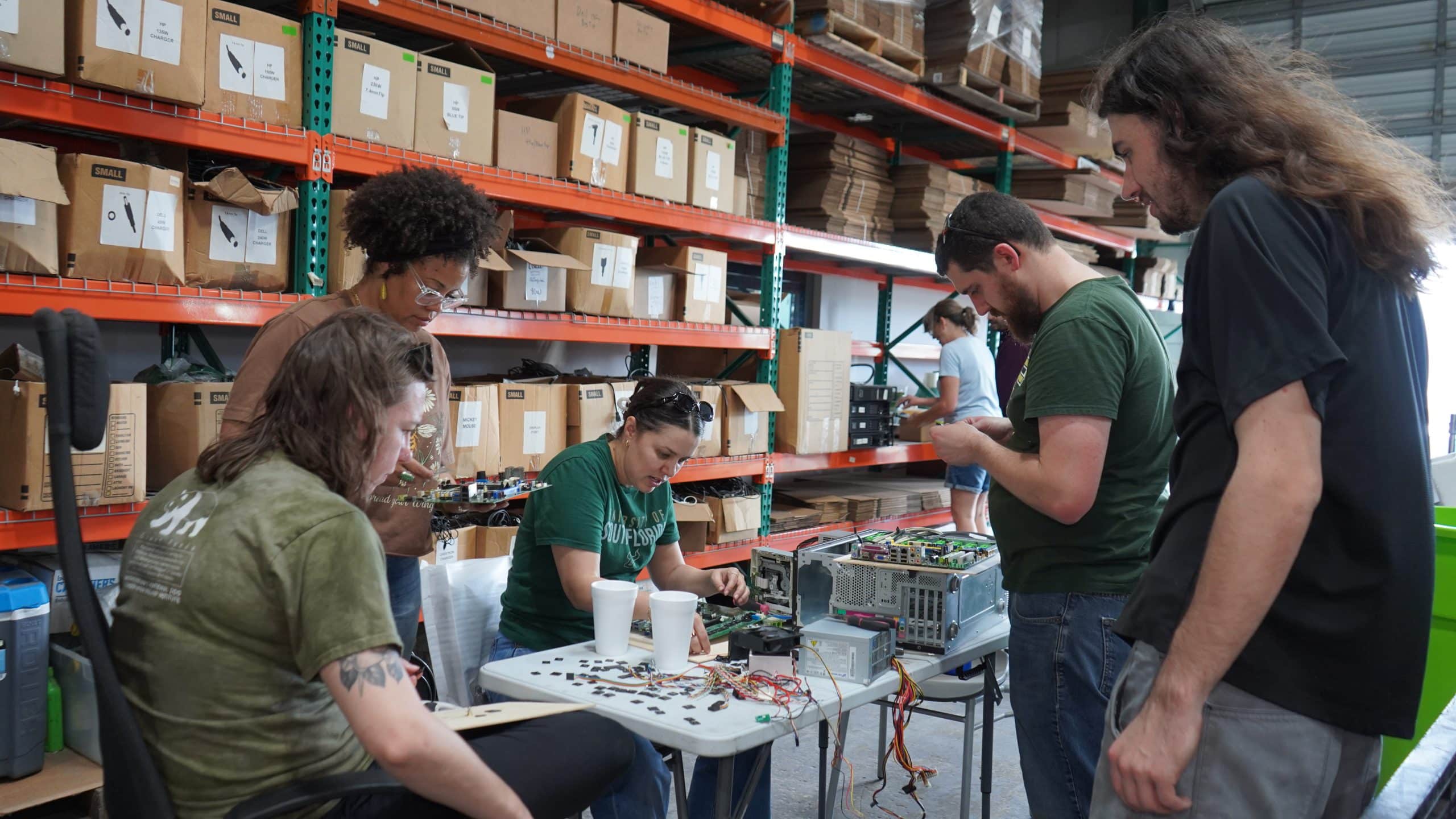
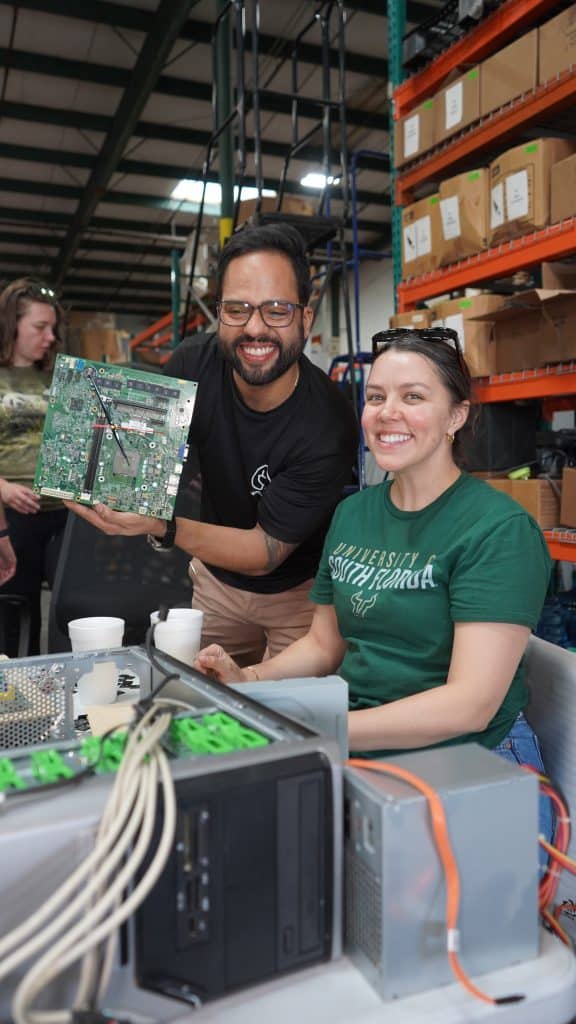
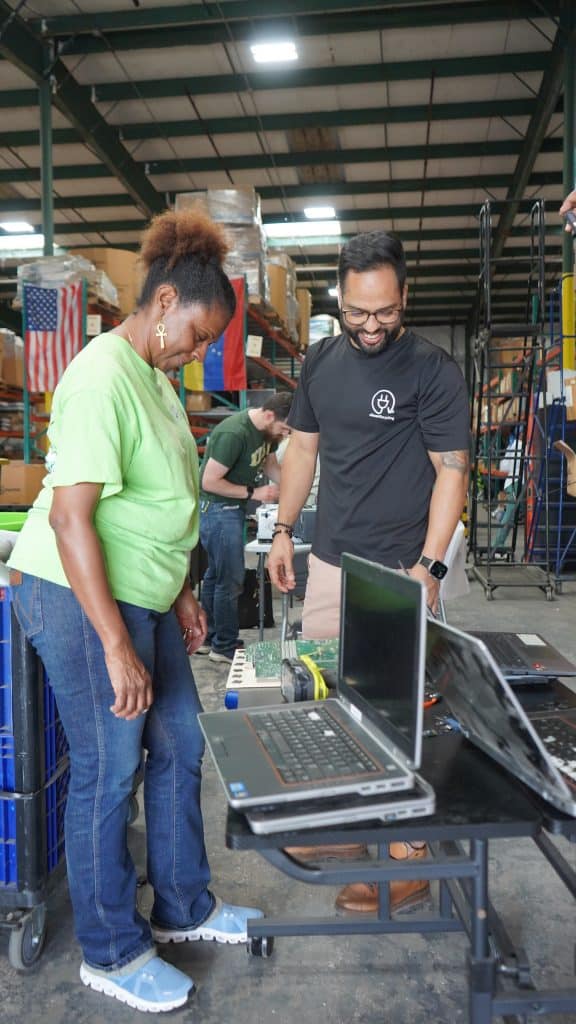
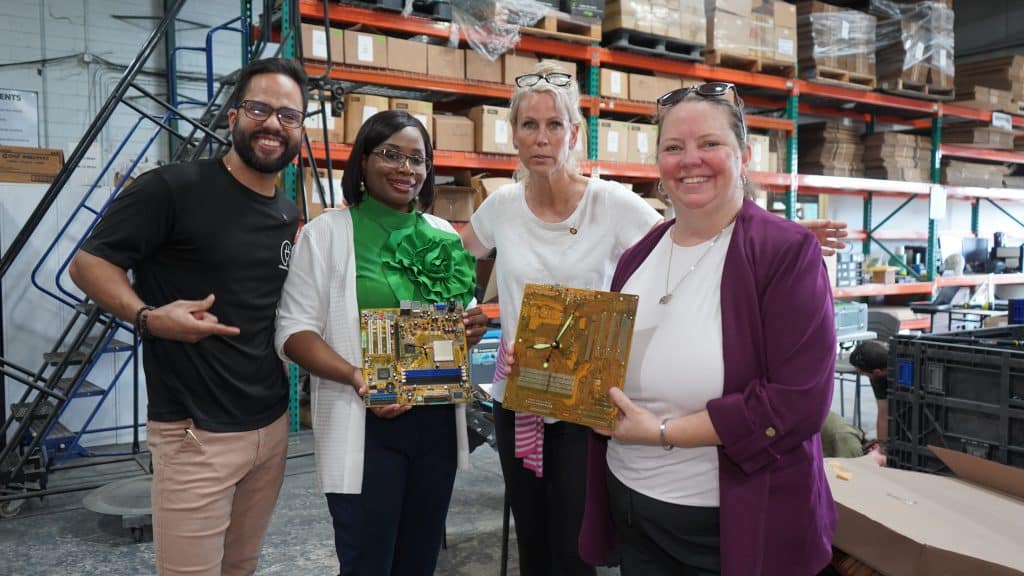
The NSF MISTTIC Master Teaching Fellows and educators from USF spent an afternoon at eSmart Recycling’s facility with one goal: to get their hands on the stuff most people never touch.

Lunch, introductions, and straight to work

After introductions, the group split into two. One team sat down with old clocks and electronics and started taking them apart piece by piece. The other picked up soldering irons and worked directly on circuit boards. The actual material, in their hands.

And then something happened that wasn’t on the agenda: the conversations. Someone asked what happens to the data on a hard drive when a company donates old computers. Someone else wanted to know how much of a circuit board is actually recyclable. Good questions. The kind that comes from people who don’t look at technology the same way anymore.

A 30-year veteran in STEM education put it simply: “They have to touch the dusty old equipment. That’s where the real learning happens.”
 

What eSmart Recycling actually does, for those who haven’t been inside

The facility in Tampa handles electronics from individuals, businesses, and institutions across the region. Equipment gets audited, data gets destroyed, certified, documented, traceable, and whatever can be refurbished goes back out to communities that need it.

When someone asked about data security during the visit, Tony Selvaggio was direct: every device that enters the warehouse goes through a destruction process. “All of the information is 100% safe.” eSmart holds the certifications to back that up.

It’s not glamorous work. But it’s the work that matters every time a school, a hospital, or a company needs to get rid of old technology without creating a security risk or leaving a pile of e-waste behind.

The program behind the visit

The visit was part of the launch of STEM Everywhere, a program led by Scoutlier that brings hands-on STEM and cybersecurity education to local high schools through a lending-library model of learning kits. The idea behind it is straightforward: “STEM is everywhere. It’s not in that one class they might not take.”

eSmart Recycling is the sustainability partner in that program. Matthew Cohen, science department head at Chamberlain High School and one of the NSF MISTTIC fellows, described what made this collaboration feel different: “We’re finally figuring out a way to solve the problem ourselves.” Starting a year and a half ago, he wasn’t sure what he was diving into. What surprised him most was realizing how many resources already existed. They just needed to be connected.

That’s exactly what this partnership is trying to do.
 

Why it matters that teachers were the ones in the room

A researcher with three decades in STEM education shared her take: “Elementary kids need to be in these spaces so they can recognize that right here in their neighborhood, there’s an opportunity to take apart and reverse engineer the tools and technologies they use every day.”

And when they get that chance, Matthew Cohen has seen what happens: “When children are allowed to take on responsibility, they take it very seriously. The ideas they come up with will blow your mind.”

Tony Selvaggio’s hope for all of it goes beyond the classroom: “I hope that youth will enter a workforce with a different chip in their head.” Not just as consumers of technology, but as people who understand what’s inside it, how to secure it, and what to do with it when it’s done.

The educators who walked into eSmart Recycling on March 7th left with a clearer picture of something most people never think about. And that’s probably the most useful thing a teacher can have.
 

March 10, 2026

Got old monitors sitting in storage? Laptops nobody uses piling up in a corner? In Tampa, getting rid of obsolete technology is easier than you think. You just need to know who to call and what to expect from the process.

Why can’t you throw electronics in the trash?

In Florida, throwing electronic devices in regular trash is prohibited. Equipment contains materials like lead, mercury, and cadmium that can leak toxic substances into the soil. According to the EPA, more than 50% of electronic components can be recycled or reused if handled correctly.

Plus, simply disposing of a hard drive without proper erasure puts sensitive information at risk. In 2020, Morgan Stanley paid $60 million for failing to destroy equipment containing customer data properly.

Options for electronics pickup in Tampa

1. Professional pickup service (for businesses)

We at eSmart Recycling offer pickup service for businesses, schools, and institutions in Tampa. Doesn’t matter if it’s 5 laptops or 500 monitors. We coordinate the day, come to your office or warehouse, and take everything.

The process includes:

  • Inventory of each device
  • Certified data destruction (HIPAA and NIST compliant)
  • Responsible recycling certificate
  • Environmental impact report

You can schedule your pickup by calling (813) 501-7768 or filling out the form at esmartrecycling.com.

2. Drop-off at our center (always open)

If you prefer to bring the equipment yourself, we also accept drop-offs at our Tampa location. We’re at 5100 Vivian Place, Tampa, FL 33619. You can come Monday through Friday and drop off whatever you need to recycle.

The advantage is that you don’t have to wait for an appointment. You arrive, unload, and we give you the same data destruction certificate and responsible recycling documentation as with scheduled pickups.

3. Community recycling events

Hillsborough County organizes recycling events several times a year. These events accept computers, printers, cables, keyboards, and lithium batteries. You can check the updated calendar on the official Hillsborough County Solid Waste site.

The advantage is they’re free. The downside: they don’t always offer data destruction certificates, which is key if you handle customer or employee information.

4. Manufacturer programs

Some brands like Dell and HP have recycling programs. They usually require you to mail the equipment or take it to authorized centers. They work well if you have a few devices, but aren’t practical for offices with dozens of accumulated equipment.

What happens to your equipment after pickup

When you pick up with a responsible recycler, the process should look like this:

  1. Initial audit: Each device is registered by brand, model, and serial number.
  2. Certified erasure: Military-grade software is used to destroy data. We follow NIST 800-88 standards.
  3. Evaluation: Functional equipment gets repaired and refurbished. What doesn’t work gets dismantled.
  4. Redistribution or recycling: Repaired devices are delivered to schools and families. Materials like plastic, aluminum, and copper are processed for reuse.

Approximately 30% of the equipment we collect gets reused. The rest is safely recycled, preventing it from ending up in landfills.

Questions everyone asks before scheduling a pickup

Do you charge for pickup?
It depends on volume and the type of equipment. Some companies offer pickups at no cost if you have considerable volume. For small quantities, there may be a charge. Best to ask directly for a quote.

Can I keep the hard drives?
Yes, but you’d have to destroy them yourself. We recommend leaving them with the recycler for certified erasure. It’s safer and covers you legally.

What if some equipment still works?
We evaluate it. If it works, we repair it and deliver it to communities that need it. If you prefer everything recycled without exception, that can be done too.

What most services WON’T pick up

  • Large industrial batteries require specialized handling.
  • Medical equipment with radioactive materials has specific federal regulations.
  • Large appliances like refrigerators or washing machines: some recyclers accept them, but not all.

If you have questions about specific equipment, ask before scheduling.

Why Tampa businesses choose professional pickup

The main reason is data security. A Blancco study found that 42% of used devices sold online still contain recoverable information.

The second reason is legal compliance. If you handle patient data (HIPAA), financial information, or employee data, you need proof that everything was properly destroyed.

The third is convenience. Nobody wants to haul 50 laptops to a recycling center. It’s easier to have someone come, pick up everything, and send you the report.

How to prepare your equipment before pickup

You don’t need to clean them or disconnect anything, but it helps if you:

  1. Group them in one place: makes inventory easier.
  2. Make a preliminary list: brand, model, approximate quantity.
  3. Keep cables and accessories together: if they’re loose, they can get lost.

If you have external hard drives or USBs with sensitive information, include them in the pickup so we can destroy those, too.

The hidden cost of not recycling properly

Not recycling electronics correctly can get expensive. Beyond fines for environmental non-compliance, there’s the risk of data leaks. In 2023, the SEC fined Morgan Stanley an additional $35 million for failing to secure equipment disposal with customer data.

There’s also resource waste. The UN estimates that only 17% of electronic waste is formally recycled globally. The rest ends up in landfills or is illegally exported.

Tampa has an active tech recycling community

Hillsborough County has been working on responsible recycling programs for years. In addition to community events, there are several local companies that handle electronic waste with certification.

We work with public schools, hospitals, and offices throughout the Tampa Bay area. Since 2014, we’ve redistributed nearly 3,000 devices and kept tons of plastic and metal from contaminating.

What to do now

If you have accumulated equipment, the first step is to make a quick list: how many, what type, where they are. Then call a certified recycler. Ask if they offer pickup service, a data destruction certificate, and an impact report.

In our case, you can call us at (813) 501-7768 or reach out through the site. We give you an appointment, come pick everything up, and send you the complete paperwork. Or if you prefer, stop by our center at 5100 Vivian Place, and we’ll get it sorted right away.

It doesn’t have to be complicated. You just need someone who does it right.


March 10, 2026

There’s a question we get pretty often: What happens to the devices that come to us and simply can’t be used again? They don’t work for another company, they can’t be refurbished, and there are no usable parts to pull from them. The short answer is that they still have a responsible destination. The longer answer is what you’re about to read.

Not every device gets a second life, and that’s okay

When equipment arrives at our facility in Tampa, the first thing we do is evaluate each piece. Some laptops still run fine. Some monitors just need a good cleaning. And some devices have clearly reached the end of their useful life. That third group is the one that generates the most questions — and it’s completely fair to ask what actually happens to them.

The truth is that no electronic device ever reaches a point where it’s “worthless garbage.” Even the ones that can’t be reused contain materials that can still be recovered: copper, gold, silver, aluminum, palladium. According to the EPA, recycling one million cell phones can recover approximately 35,000 pounds of copper, 772 pounds of silver, and 75 pounds of gold. That’s not a small number.

What responsible material recovery actually looks like

When a device can’t be refurbished, the process that follows at a certified electronics recycling facility is pretty specific. It’s not about throwing it in a bin and calling it a day. There are concrete steps.

First, the device is disassembled — either manually or with specialized equipment. Components are separated by material type: plastics, ferrous metals, non-ferrous metals, glass, and circuit boards. From there, each fraction follows its own recovery path.

Printed circuit boards, for example, are the most valuable part of any device. One ton of these boards can contain up to 0.09 kg of gold, according to the Global E-waste Monitor 2024 — a concentration that can be up to 10 times higher than what you’d find in natural ore. This is what’s called “urban mining”: recovering materials from waste instead of extracting them from the ground.

Metals are recovered through controlled metallurgical processes. Plastics that can be recycled are processed so manufacturers in other sectors can use them as raw materials. And materials containing hazardous substances — like mercury or cadmium — are handled under strict protocols to prevent them from contaminating soil or groundwater.

Why this matters for businesses in Tampa

Most companies that come to us for e-waste disposal in Tampa aren’t thinking about metallurgy or material supply chains. They’re thinking about clearing space, protecting their data, and meeting their sustainability policies. That makes complete sense.

But there’s one piece of information that shifts how you think about this: e-waste management currently recovers USD 28 billion in secondary raw materials from a potential USD 91 billion, with most losses resulting from incineration, landfilling, or inadequate treatment. Emew The gap between those two numbers is what gets lost every time devices end up in landfills without going through a proper process.

When a company in Tampa drops off old electronics at a certified facility like ours, they’re not just solving a storage problem. They’re making sure those materials go back into the productive cycle instead of becoming contamination. And when those devices carry corporate data, they’re also protecting sensitive information through certified destruction that meets standards like HIPAA.

The problem with “just throwing it away.”

Here’s what concerns us most as an industry: most electronic waste still ends up in landfills or gets incinerated, wasting useful resources and releasing toxic chemicals and other pollutants — such as lead, mercury, and cadmium — into the soil, groundwater, and atmosphere.

What a lot of people don’t realize is that e-waste accounts for only about 3% of the total volume in landfills but generates roughly 70% of the toxic contamination at those sites. The problem isn’t volume — it’s chemical composition.

When an electronic device breaks down in a landfill, the heavy metals inside slowly leach into the soil and water. When it gets incinerated without proper controls, the plastics release dioxins and other persistent organic compounds. Neither of those outcomes is acceptable when the alternative — processing it correctly — exists.

And the scale of the problem is not small. In 2022, the world generated 62 billion kg of e-waste, and only 22.3% was documented as properly collected and recycled.

What we do when a device truly can’t be saved

At eSmart Recycling, when a device comes in and can’t be refurbished or redistributed, it goes through a process that ensures its materials are recovered safely. We destroy the data first — always — regardless of the device’s condition. After that, the device enters the material recovery stream with certified processors that comply with the EPA’s R2 standards for responsible electronics handling.

We generate destruction certificates so businesses have full traceability of what happened to their equipment. Not because it’s a bureaucratic formality, but because a company managing 50, 100, or 500 devices a year needs documented proof that each one was handled correctly.

A question we hear often

“If the device is already broken, why not just throw it in the regular trash?”

The direct answer: in many states, it’s illegal. And beyond the legal side, the materials inside that device have real value and real consequences when they’re not handled properly. An old router or a discontinued printer contains enough heavy metals to contaminate groundwater for years.

There’s also another factor for businesses: if that device has corporate data on it and ends up in a landfill without certified data destruction, the legal exposure is significant. You don’t need someone to recover a perfectly intact hard drive for a data breach to happen. Data can be recovered from media that looks completely unusable.

The bottom line

What happens to devices that can’t be reused comes down to this: if they reach a certified electronics recycling facility, their materials get recovered, hazardous components are managed in a controlled way, and data is destroyed before anything else. If they don’t reach a place like that, they’ll most likely end up causing contamination.

That’s the difference that working with us makes. It’s not about being perfect — it’s about knowing exactly what happens to every single device that comes through our door.

Have devices sitting unused at your Tampa business? We can pick them up, audit them, and give you a full report on what happened to each one. Contact us here.


March 10, 2026

When a business decides to recycle its electronics, the most common question isn’t “where do I drop them off?” — it’s “how do I know my data is actually safe?” That’s a fair thing to wonder. A recycler that cuts corners on data destruction isn’t just a bad vendor. It can become a source of serious legal and reputational problems.

Here’s what every organization should verify before handing over a single device.

Certifications: the first sign they know what they’re doing

Not every electronics recycler operates under the same standards. Two certifications matter most when it comes to data security and environmental responsibility:

R2v3 (Responsible Recycling) is the most recognized standard in the U.S. for e-waste recyclers. R2v3-certified recyclers follow strict protocols for data destruction, including wiping or shredding hard drives and documenting the process, ensuring that data cannot be recovered or misused.

NAID AAA is another key certification, especially relevant for organizations in healthcare or finance. It guarantees that the provider follows audited data destruction processes with a verifiable chain of custody.

If a local recycler can’t show either of these certifications, that already tells you something.

A certificate of destruction is not optional

One of the most common mistakes businesses make is handing over equipment without asking for documentation of what happened to it. A certificate of data destruction is the formal record proving that information was eliminated in an irreversible way.

Proper documentation is a requirement of HIPAA. All electronics and digital records leaving an organization need to be inventoried and recorded to establish a proper chain of custody. A solid provider delivers a certificate of destruction with a detailed serial number report for your records.

Even if your company isn’t in the healthcare sector, having that document is a basic security practice. If there’s ever an internal audit or an external investigation, that paper matters a lot.

Deleting is not destroying: know the difference

There’s a frequent mix-up between “deleting files” and “destroying data.” They’re not the same thing. Merely deleting or reformatting is not sufficient — data remnants remain recoverable, creating breach risk and potential legal exposure if disclosed.

Accepted methods include secure erasure following NIST SP 800-88 guidelines, degaussing, and physical destruction through shredding. For SSDs and flash media, physical shredding or cryptographic erasure is the recommended standard.

A serious recycler can explain exactly which method they use and why. If they can’t, or if they only talk about “formatting,” it’s time to look elsewhere.

Chain of custody: Who actually touches your equipment?

From the moment a device leaves your office until it’s fully processed, there’s a chain of responsibility. Any broken link in that chain is a risk point.

Before signing anything, it’s worth asking: Is transport secure and documented? Do employees have background checks? Does the destruction happen at the recycler’s facility, or does the equipment get sent to unmonitored third parties?

When evaluating a vendor, inspect their facilities when possible, ask about employee background check policies, review their data breach history and response protocols, and evaluate their knowledge of applicable regulatory requirements.

These aren’t uncomfortable questions. They’re basic questions that any responsible provider expects to hear.

What happens to the equipment after recycling

Data security is the priority, but it’s not the only thing that matters. Where does the equipment physically go once it’s processed? That question matters for two reasons: environmental compliance and social responsibility.

A common practice among low-cost recyclers is exporting toxic waste to developing nations. A certified recycler adheres to international conventions, such as the Basel Convention amendments, to ensure waste is treated domestically or responsibly.

At eSmart Recycling, we do more than process equipment securely. Around 30% of the revenue generated goes toward repairing and redistributing devices to communities with limited access to technology. Every device that comes through our hands has a chance to keep being useful to someone else.

Frequently asked questions

Can any company call itself a certified recycler? No. Certifications like R2v3 and NAID AAA require periodic external audits. You can verify a recycler’s status directly in the public records of SERI (Sustainable Electronics Recycling International) for R2, or at i-SIGMA for NAID.

Do I need a special agreement if my company handles medical data? If your organization falls under HIPAA, yes. When using a third-party vendor, a signed Business Associate Agreement (BAA) is essential to define safeguards, permissible uses, breach notification, and audit rights. 

What if we just throw old equipment in the trash? Beyond the data risk, there are regulatory consequences. Improper disposal can trigger federal Superfund (CERCLA) liability, hefty regulatory fines, and irreparable brand damage.

Is formatting a hard drive before handing it over enough? No. As mentioned above, residual data is recoverable with accessible tools. Certified destruction is the only way to guarantee the information can’t be reconstructed.

What to look for in a local recycler in Tampa

If your business is in the Tampa Bay area and evaluating certified e-waste recycling providers, these are the minimum points you should confirm before signing any agreement:

That they hold at least one recognized certification (R2v3 or NAID AAA), that they issue a certificate of destruction with serial numbers for every device processed, that they can explain their data destruction method in detail, that equipment transport is secure and documented, and that they can provide verifiable references from other clients in the area.

At eSmart Recycling, we work with businesses, schools, and institutions across Tampa Bay. We handle data destruction with HIPAA compliance, issue certificates of destruction, and make sure every piece of equipment is audited and inventoried before it leaves your hands. If you have devices piling up and don’t know where to start, we can help you manage the whole process from beginning to end.

March 5, 2026

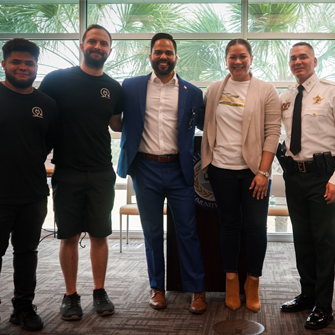
On February 27, 2026, we received the James E. Duffy Friend of Literacy Award in Sarasota, Florida. It’s not common for an electronics recycling company to win a literacy award. But when you understand how the digital divide works, the connection is clear.

Tony Selvaggio, our CEO, took the stage at the 19th Annual Literacy Matters Luncheon and opened with a question that stopped the room:

“How do we explain that 1 in 5 folks, families here in Sarasota County are experiencing literacy issues?”

He continued: “Best country in the world, one of the best communities in the country. How do we explain that we still have kids who don’t have computers in their homes?”

The answer is in what we do every day in Tampa.

Literacy and technology access are the same problem

One in five adults in Sarasota County lacks basic English communication or literacy skills. These people can’t fill out online job applications. They can’t help their kids with homework. They can’t access telehealth services or enroll in adult education programs.

And the reason isn’t always a lack of training. Sometimes it’s simply that they don’t have a computer.

More than 30 million people in the United States don’t have reliable access to technology and connectivity. Meanwhile, an estimated 200,000 computers are discarded every day in the country.

Tony framed it this way in his speech: “Who is measuring the gap and the people that are being left behind just because technology is advancing so fast that only the privileged few have access to maximize the power?”

That’s where we come in.

How do we connect recycling with literacy?

Since 2014, we’ve been recycling electronic equipment from businesses in Tampa Bay and using part of that revenue to redistribute refurbished devices to families, schools, and nonprofits. We reinvest between 20 and 30% of our proceeds back into the community.

The Literacy Council of Sarasota has received scores of laptop computers for its adult learners over the last few years. Those laptops allow people learning English to practice at home. Adults studying for their GED complete exercises outside the classroom. Parents need to access educational resources for their children.

That’s digital literacy. And without a computer, it doesn’t exist.

“E-waste happens when we see used technology as waste, instead of seeing it as an instrument to change lives, for human progress.” — Tony Selvaggio

That phrase sums up everything we do. We don’t see scrap. We see access.

Who was James E. Duffy, and why does this award matters

James E. Duffy was president of ABC Television Network for 15 years. After a 46-year career in media, he dedicated his retirement to public service. He received President Reagan’s Volunteer Action Award and the National Literacy Coalition’s Lifetime Achievement Award.

What made Duffy special wasn’t just his influence. It was his conviction that the media has a public responsibility. He understood that access to information—whether through TV, radio, or computers—is a basic right.

During his years in Sarasota, he was an active member of the Literacy Council. When he passed away in 2021, the Literacy Council named its annual award in his honor.

Receiving this recognition isn’t just an achievement for us. It’s validation that responsible technology recycling can be a tool to close social gaps.


How our model works in Tampa Bay

We don’t just hand out computers and call it done. That doesn’t work.

As Tony has said: “It’s not enough to provide access—what matters is how the community uses that technology to grow together and stay connected”.

Here’s how we do it:

Step 1: Companies recycle their equipment with us
When a company updates its technology every 3 to 5 years, we pick up the old devices. We offer R2v3 certification and HIPAA-compliant data destruction. The equipment doesn’t end up in landfills or pose a security risk.

Step 2: We evaluate what can be reused
Some devices are truly obsolete and get recycled properly. But many just need cleaning, software updates, and operating system reinstallation. Those get refurbished.

Step 3: We redistribute through community partners
We don’t hand out laptops on the street. We work with organizations already connected to the communities that need the equipment: the Literacy Council, Hillsborough Education Foundation, Hope for Her, Pace Center for Girls, among others.

Step 4: We ensure there’s support
We partner with the Digital Education Foundation to create tech hubs in areas like South St. Pete, where they offer SAT prep, telehealth training, and community instructors. We don’t just give equipment. We give the ecosystem.

In 2024, we recycled more than 228,879 pounds of e-waste and redistributed nearly 600 devices that directly benefited more than 2,000 people.

Beyond Tampa Bay

During his speech, Tony reminded us: “We just happen to be blessed to be in America and experience the top of the top, but the rest of the world is not.”

That’s why our work doesn’t stop at the Gulf Coast. We’ve partnered with the Nuestra America Foundation to send refurbished devices to schools and community centers in Latin America.

Because the digital divide isn’t just a Tampa problem. It’s global. And if we can do something about it from here, we do.

Why companies should recycle technology responsibly

This isn’t charity. It’s corporate responsibility done right.

When a company recycles with us:

  • They receive data destruction certificates that comply with internal audits and regulations.
  • They get detailed reports on how much material was recycled, how much was reused, and how many pounds of CO₂ were avoided.
  • They become part of a real story: every device recycled funds digital access for someone in their community.

eSmart was one of 12 companies selected nationwide—and the only one in Florida—for the Apple Impact Accelerator. That doesn’t happen because we’re good at recycling. It happens because we demonstrate that recycling can have a measurable social return.

Companies that work with us aren’t just meeting environmental standards. They’re funding literacy, employability, and access to basic services for families who would otherwise be left out of the system.

An award that recognizes an entire community

At the end of his speech, Tony didn’t celebrate eSmart’s achievement. He thanked those doing the real work:

“Thank you so much to everybody who’s doing what it takes to figure out how to move forward and how to empower our communities.”

He specifically mentioned the Patterson Foundation, the Digital Education Foundation, and the Literacy Council of Sarasota. He also acknowledged the anonymous donor who underwrote the event and matched every gift dollar for dollar, up to $10,000.

Because this award isn’t just ours. It belongs to every company that decided to recycle responsibly. To every organization that distributed the equipment. To every tutor who taught someone to use that computer.

The Literacy Council of Sarasota has been committed to “Each One, Teach One” since 1978. We do the same thing, just with computers instead of books.

What can companies do today?

If your company is upgrading equipment, don’t let it sit in storage indefinitely. Don’t throw it away without a documented process.

Recycling technology responsibly means:

  • Certified data destruction.
  • Complete process traceability.
  • Reports that work for ESG audits.
  • Knowing that part of what you discard becomes useful for someone else.

We handle everything: pickup, auditing, data destruction, valuation, and redistribution. And every device we process becomes part of a chain that connects environmental responsibility with educational access.

The James E. Duffy Friend of Literacy Award isn’t just recognition for what we’ve done. It’s a reminder of what still needs to be done.

 

Join the E-Revolution

Did you enjoy our latest blog articles just above?

Subscribe to receive new stories, insights, and impact updates straight to your inbox.

We’ll send you curated content about our partners, recycling strategies, success stories, and how your involvement is driving change through technology access and digital empowerment.

💡 No spam, just the smart stuff.

Request your 
Pickup

Or call us: 813-501-7768