

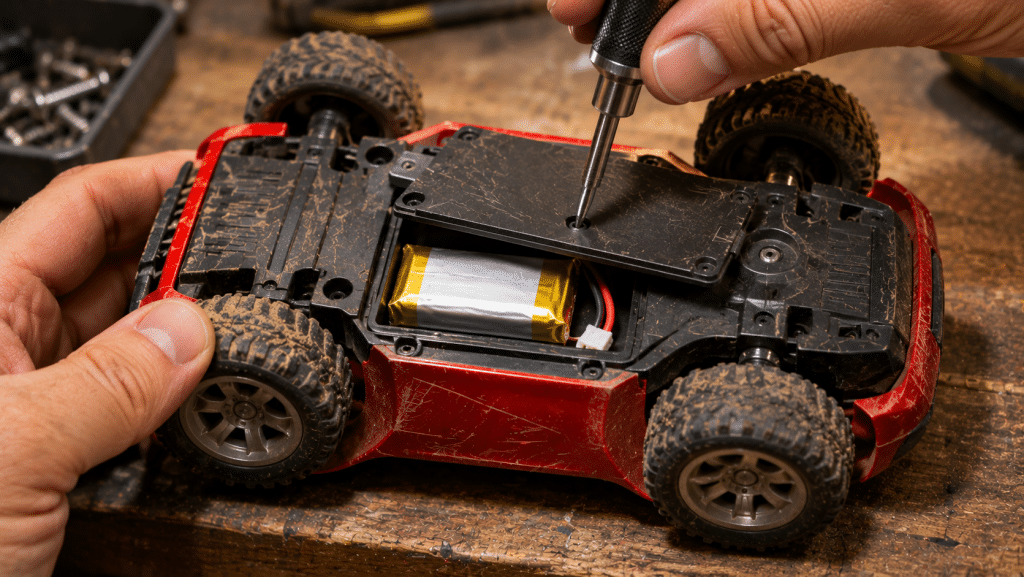
Holiday toy cleanouts are an annual tradition in many family households. As parents make room for new gifts, old toys often come out of closets, playrooms, and storage bins. Some are ready for another child to enjoy, while others have broken screens, damaged wires, or batteries that have reached the end of their useful life. Before placing everything in the trash, take a closer look. Many everyday toys contain electronic components and batteries that require appropriate collection and handling.
Electronic features are now common in toys for children of different ages. Sounds, lights, movement, remote controls, and interactive screens all rely on electrical components. Even a toy that looks like an ordinary stuffed animal or plastic playset may contain wiring, a small circuit board, or a battery compartment.
These toys can contain a combination of materials, including copper wiring, plastics, steel, circuit boards, speakers, and battery components. Their construction varies by manufacturer and model, so the appropriate recycling route depends on the specific item and the collection program’s requirements.
Many electronic toys contain batteries that can become damaged when crushed, punctured, or exposed to excessive heat. Rechargeable lithium-ion and lithium-polymer batteries deserve particular attention because physical damage can lead to overheating and fire.
When electronic toys are mixed with ordinary household waste, their batteries and internal components may enter disposal systems that are not designed to handle them. Separating these items for appropriate collection helps reduce battery-related risks and gives recoverable materials a chance to enter suitable recycling channels.
There is also a reuse consideration. A toy with a minor issue may still be repairable or suitable for another child, depending on its condition and safety. Keeping usable products in circulation can reduce unnecessary waste and extend the service life of the materials used to manufacture them.
Before bringing old toys to a collection program, sort them by type and check their condition. These steps can help families prepare their items safely:
Never use or charge a toy with a swollen, leaking, unusually hot, or visibly damaged rechargeable battery. Do not press, puncture, or attempt to remove the battery. Contact an appropriate battery collection program for handling instructions before transporting the item. If a battery begins smoking, hissing, or releasing an unusual odor, move away and call 911.
Not every toy removed during a holiday cleanout needs to become waste. Some items may still be in good working condition and suitable for donation or continued use. Others may have a minor issue that can be repaired, depending on the availability of replacement parts and the toy’s overall condition.
Before donating a toy, check that it is complete, clean, and safe for another child. Pay particular attention to loose parts, damaged wiring, exposed batteries, and broken plastic pieces. Electronic toys with damaged rechargeable batteries should not be passed along for use.
Items that cannot be reused may be directed to appropriate electronics recycling channels. Specialized processors can handle the different material fractions, including metals, plastics, circuit boards, and battery components. The exact recovery process depends on the item and the capabilities of the processing facility.
A holiday cleanout can also uncover small electronic items that have been stored alongside toys and decorations. Sorting them at the same time can help families organize their unwanted equipment and identify items that may need specialized collection.
Separate these items from ordinary toys and household waste. Some accessories may be accepted through electronics recycling programs, while batteries may need a separate collection route. Contact the facility to confirm its accepted items and preparation instructions.
Sorting electronic toys before throwing them away helps families identify reusable items, separate batteries, and direct unwanted devices toward appropriate recycling programs. Small household habits can support safer waste handling and better use of valuable materials.
As the holiday decorations come out and new gifts find their place under the tree, take a little time to review the toys already at home. That old remote-controlled car, talking teddy bear, or learning tablet may still be useful to another child. And when a toy has reached the end of its useful life, responsible collection gives its electronic components a better destination than the household trash. A safer, more organized playroom can also be the beginning of a more thoughtful approach to electronics recycling.
Cleaning out the playroom or sorting old household electronics? eSmart Recycling collects used technology and supports reuse, refurbishment, and responsible electronics recycling. Contact our team to confirm accepted items and available collection options before bringing electronic toys, devices, or accessories to our Tampa facility. You can also review our individual drop-off guidelines.
Fill out the form below to request your electronics recycling pickup.
We’ll coordinate the schedule logistics and follow up with next steps.
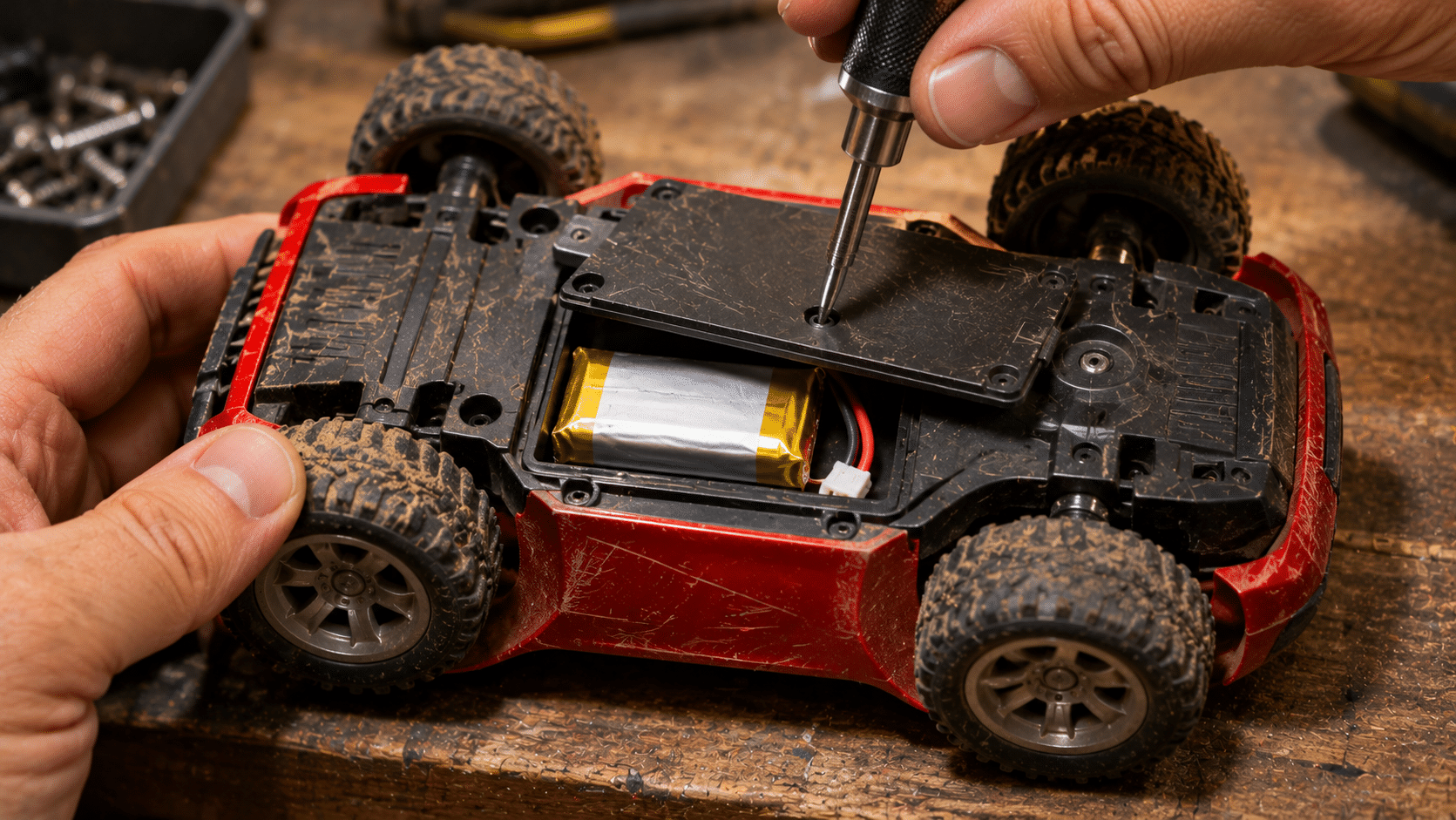
Holiday toy cleanouts are an annual tradition in many family households. As parents make room for new gifts, old toys often come out of closets, playrooms, and storage bins. Some are ready for another child to enjoy, while others have broken screens, damaged wires, or batteries that have reached the end of their useful life. Before placing everything in the trash, take a closer look. Many everyday toys contain electronic components and batteries that require appropriate collection and handling.
Electronic features are now common in toys for children of different ages. Sounds, lights, movement, remote controls, and interactive screens all rely on electrical components. Even a toy that looks like an ordinary stuffed animal or plastic playset may contain wiring, a small circuit board, or a battery compartment.
These toys can contain a combination of materials, including copper wiring, plastics, steel, circuit boards, speakers, and battery components. Their construction varies by manufacturer and model, so the appropriate recycling route depends on the specific item and the collection program’s requirements.
Many electronic toys contain batteries that can become damaged when crushed, punctured, or exposed to excessive heat. Rechargeable lithium-ion and lithium-polymer batteries deserve particular attention because physical damage can lead to overheating and fire.
When electronic toys are mixed with ordinary household waste, their batteries and internal components may enter disposal systems that are not designed to handle them. Separating these items for appropriate collection helps reduce battery-related risks and gives recoverable materials a chance to enter suitable recycling channels.
There is also a reuse consideration. A toy with a minor issue may still be repairable or suitable for another child, depending on its condition and safety. Keeping usable products in circulation can reduce unnecessary waste and extend the service life of the materials used to manufacture them.
Before bringing old toys to a collection program, sort them by type and check their condition. These steps can help families prepare their items safely:
Never use or charge a toy with a swollen, leaking, unusually hot, or visibly damaged rechargeable battery. Do not press, puncture, or attempt to remove the battery. Contact an appropriate battery collection program for handling instructions before transporting the item. If a battery begins smoking, hissing, or releasing an unusual odor, move away and call 911.
Not every toy removed during a holiday cleanout needs to become waste. Some items may still be in good working condition and suitable for donation or continued use. Others may have a minor issue that can be repaired, depending on the availability of replacement parts and the toy’s overall condition.
Before donating a toy, check that it is complete, clean, and safe for another child. Pay particular attention to loose parts, damaged wiring, exposed batteries, and broken plastic pieces. Electronic toys with damaged rechargeable batteries should not be passed along for use.
Items that cannot be reused may be directed to appropriate electronics recycling channels. Specialized processors can handle the different material fractions, including metals, plastics, circuit boards, and battery components. The exact recovery process depends on the item and the capabilities of the processing facility.
A holiday cleanout can also uncover small electronic items that have been stored alongside toys and decorations. Sorting them at the same time can help families organize their unwanted equipment and identify items that may need specialized collection.
Separate these items from ordinary toys and household waste. Some accessories may be accepted through electronics recycling programs, while batteries may need a separate collection route. Contact the facility to confirm its accepted items and preparation instructions.
Sorting electronic toys before throwing them away helps families identify reusable items, separate batteries, and direct unwanted devices toward appropriate recycling programs. Small household habits can support safer waste handling and better use of valuable materials.
As the holiday decorations come out and new gifts find their place under the tree, take a little time to review the toys already at home. That old remote-controlled car, talking teddy bear, or learning tablet may still be useful to another child. And when a toy has reached the end of its useful life, responsible collection gives its electronic components a better destination than the household trash. A safer, more organized playroom can also be the beginning of a more thoughtful approach to electronics recycling.
Cleaning out the playroom or sorting old household electronics? eSmart Recycling collects used technology and supports reuse, refurbishment, and responsible electronics recycling. Contact our team to confirm accepted items and available collection options before bringing electronic toys, devices, or accessories to our Tampa facility. You can also review our individual drop-off guidelines.

Giving Tuesday is a reminder of how businesses can support their communities through meaningful acts of generosity. As companies prepare for year-end technology upgrades, retired laptops and other equipment can become part of that effort. Computers that are no longer needed in an office may still be suitable for students, families, and educational programs that have limited access to technology.
Corporate electronics recycling can connect two important needs: responsible management of outdated equipment and access to digital tools. When organizations plan their technology retirement carefully, devices may be evaluated for continued use, refurbishment, or material recovery. Suitable computers can then be considered for donation, helping more people access the technology they need for learning and everyday activities.
Businesses regularly replace laptops as software requirements change, equipment ages, or teams receive new devices. Some retired computers still have useful components and enough performance for basic educational activities. With proper assessment and refurbishment, selected devices may serve students who need a computer for schoolwork, research, communication, and digital learning.
The process starts with collecting and evaluating the equipment. Each device has its own condition, specifications, and repair requirements. A laptop with a working screen, keyboard, and charging system may be suitable for further evaluation, while a computer with extensive damage may be better directed to electronics recycling.
A corporate donation program can help keep usable technology in circulation. It also gives businesses a practical way to include community giving in their annual equipment retirement plans.
A responsible electronics collection program considers the condition and possible next use of each device. The process may include several stages:
Retired computers are collected and organized for evaluation. Recording device quantities, general condition, and equipment types helps businesses keep track of the technology leaving their facilities.
Devices can be reviewed for visible damage, missing parts, battery condition, and general functionality. This assessment helps determine whether a laptop may be suitable for reuse, require refurbishment, or enter an electronics recycling stream.
Selected computers may undergo repairs or component replacement, depending on their condition. A compatible charger and functional hardware can also help prepare a device for evaluation before it is considered for another user.
Computers that meet the necessary condition and usability requirements may be directed toward donation programs. These devices can help students and families access online educational resources, complete assignments, and stay connected.
Computers that cannot be returned to service can be directed to appropriate downstream electronics recycling partners. Their metals, plastics, circuit boards, and other components may enter specialized material recovery processes.
Collection and program records can help organizations understand how their retired equipment was handled. Depending on the program, reporting may include quantities collected, reuse and recycling information, and community donation details.
Computers are part of everyday education. Students use them to research school subjects, prepare assignments, participate in online classes, learn basic programming, and develop digital skills. Families also rely on computers to communicate with schools, access public resources, and complete important tasks.
For households with limited resources, purchasing a computer can be difficult. A refurbished laptop in suitable working condition can help reduce that barrier. It may give a student access to learning platforms or allow a family to complete tasks that would otherwise require a visit to a library or another public facility.
eSmart Recycling has distributed close to 3,000 devices, benefiting more than 12,000 children and families. These donations reflect the value of keeping usable technology in circulation and directing equipment toward communities that can benefit from access to digital tools.
Organizations interested in supporting digital inclusion can also explore community programs and educational initiatives, including the Digital Education Foundation. Following community activities through eSmart Recycling’s Instagram and YouTube channels is another way to stay connected with its work.
A planned collection can make year-end equipment retirement easier for employees and facilities teams. Before arranging a pickup, businesses can organize their devices and identify the equipment they intend to release.
These preparations help businesses organize their equipment retirement and give the recycling program useful information before collection begins. They can also make it easier to identify devices that may be suitable for refurbishment or donation.
When suitable retired computers are prepared for reuse, they can support students, families, and educational programs. Equipment that cannot be reused can still contribute materials through responsible electronics recycling. Both routes help make better use of the technology businesses already own.
Giving Tuesday offers a meaningful moment for companies to review how they manage retired technology. A laptop leaving an office may have several more years of useful service ahead, especially when it reaches someone who needs access to a computer. As your organization plans its next equipment upgrade, consider including a collection and donation program in the process. The computers your team no longer needs could become valuable tools for students and families in your community.
Is your company preparing to retire laptops, desktop computers, or other office electronics? eSmart Recycling works with businesses to collect used technology and support reuse, refurbishment, donations, and responsible material recovery. Contact our Tampa team to discuss your equipment, confirm accepted items, and coordinate available collection options.
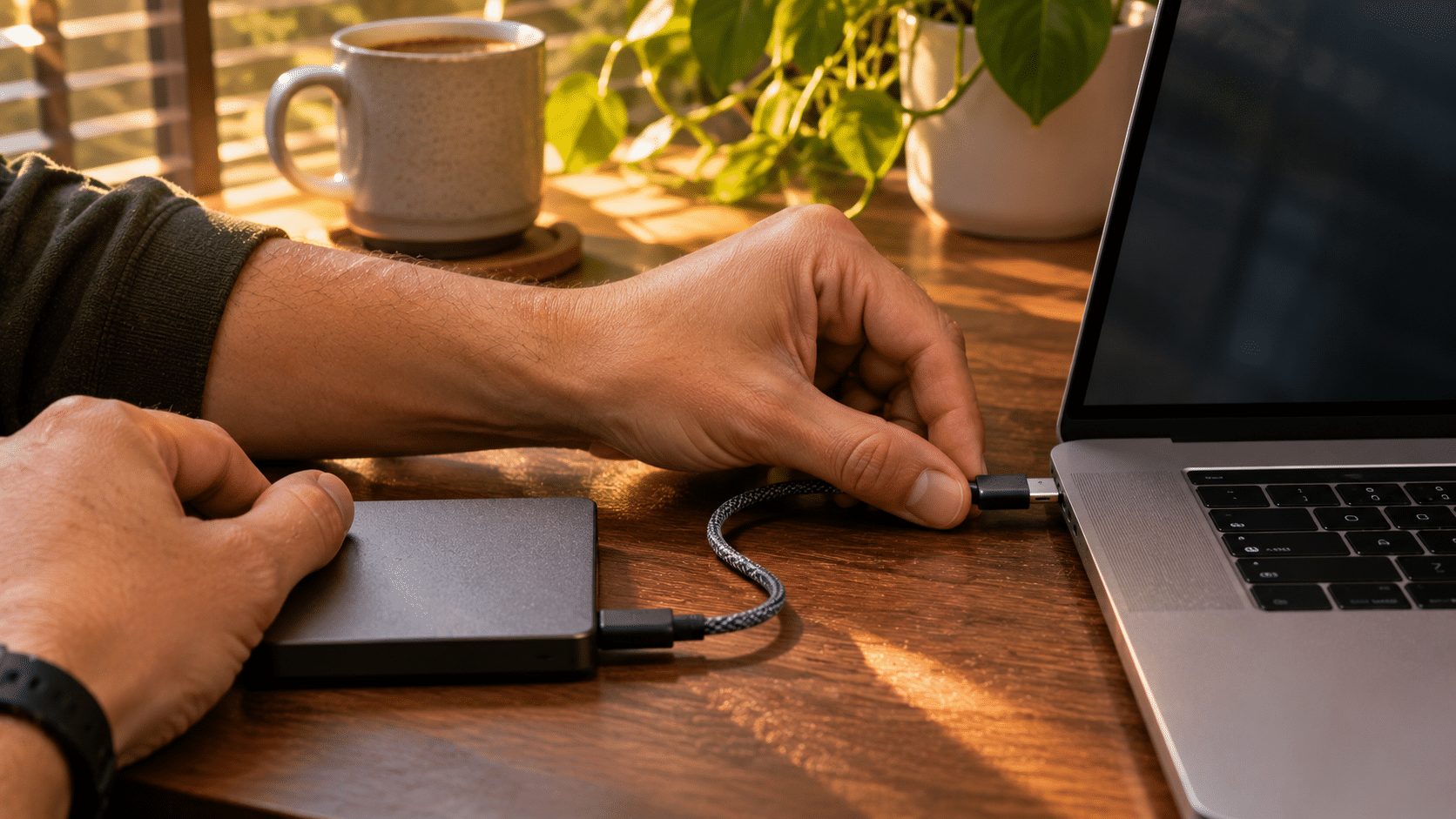
Cyber Monday is a popular time to upgrade a personal or work laptop. New models arrive with faster processors, improved displays, and more storage. Meanwhile, the previous computer often ends up in a closet or office storage room. Before letting it sit unused, consider preparing it for donation, refurbishment, or responsible electronics recycling. A few steps can help protect your personal information and make the device easier to evaluate for its next use.
Preparing a laptop involves more than disconnecting the charger and placing it in a box. Personal computers may contain years of documents, photos, saved passwords, work files, and account information. Taking time to review the device before handing it over helps prevent the loss of important files and ensures that your privacy responsibilities are addressed.
Start by reviewing your files and saving anything you want to keep. This may include family photos, tax documents, school assignments, work files, saved contacts, and browser bookmarks. You can transfer them to an external storage device or a secure cloud account. After the backup, open a few files to make sure they transferred correctly.
Check which personal and professional accounts are connected to the laptop. Sign out of services you no longer need on the device and review software licenses that may be linked to it. Applications such as Microsoft 365, Adobe Creative Cloud, and other subscription services may have their own device management settings. Follow each provider’s instructions before moving to your replacement computer.
Review device tracking, account associations, and security settings before releasing the laptop. For MacBooks, check Apple’s instructions for signing out of your Apple Account and addressing Find My and Activation Lock. For Windows computers, review your Microsoft account’s device settings and follow Microsoft’s guidance for preparing a PC for a new owner. If you use BitLocker, make sure you understand how device encryption and recovery keys are managed. Your organization’s IT team should handle these steps for company-owned equipment.
Keep the original power adapter with the laptop whenever possible. A compatible charger can make testing and evaluating the device easier. You can also gather matching accessories such as a docking station, mouse, or carrying case. Ask the collection program which accessories it accepts before including them with your laptop.
Once your files and privacy responsibilities have been addressed, contact a recycling program to confirm its acceptance requirements. The laptop’s age, condition, battery status, and available accessories may affect its next destination. Suitable devices may be considered for reuse or refurbishment, while equipment that has reached the end of its useful life can be directed to appropriate electronics recycling channels.
A laptop that no longer meets your needs may still be useful to someone else. A computer that feels outdated for demanding professional software could be suitable for everyday browsing, school assignments, communication, or basic administrative tasks.
Before a device can be considered for another user, its general condition and functionality need to be evaluated. The screen, keyboard, charging port, battery, storage, and other components can all affect whether repair or refurbishment is practical. Including a compatible power adapter can also help with the initial assessment.
Refurbishment helps extend the useful life of computers and can make technology more accessible to students, families, and communities with limited resources. When a laptop cannot be returned to service, its electronic components and materials may still have value through appropriate recycling channels.
Not every computer can be repaired or prepared for another user. Some have severe physical damage, outdated components, missing parts, or repair requirements that make continued use impractical. These devices can be directed toward electronics recycling, where specialized downstream processors handle their different material fractions.
A typical laptop contains several materials that can be recovered through suitable processing:
The exact recovery process depends on the laptop model, its components, and the capabilities of the recycling partners involved. Appropriate collection helps direct these materials away from ordinary household waste and toward specialized processing.
The preparation process can differ depending on who owns the computer. Individuals can review their personal files, accounts, and device settings before arranging collection. Businesses and institutions may need additional coordination with their IT departments, asset management teams, and internal privacy policies.
For organizations retiring multiple laptops, keeping an inventory of the equipment can help track models, quantities, and general condition. Grouping compatible chargers and accessories also makes collection and evaluation easier. Company-owned devices should follow the organization’s approved procedures for information handling before they leave its control.
A properly prepared computer can be evaluated for reuse or refurbishment. Equipment that cannot continue in service can still contribute materials to electronics recycling. Both routes help reduce unnecessary electronic waste and support more responsible technology use.
Cyber Monday may bring a new laptop to your desk, but the computer you are replacing still deserves a responsible next step. Before storing it away or throwing it out, take time to back up your files, review your accounts, gather its accessories, and arrange appropriate collection. That old notebook may still help another student or family, or contribute valuable materials to the next generation of electronics.
Ready to retire a personal or business laptop? eSmart Recycling collects used technology and supports reuse, refurbishment, and responsible electronics recycling. Contact our team to confirm accepted equipment and available collection options. Visit our contact page to get started.
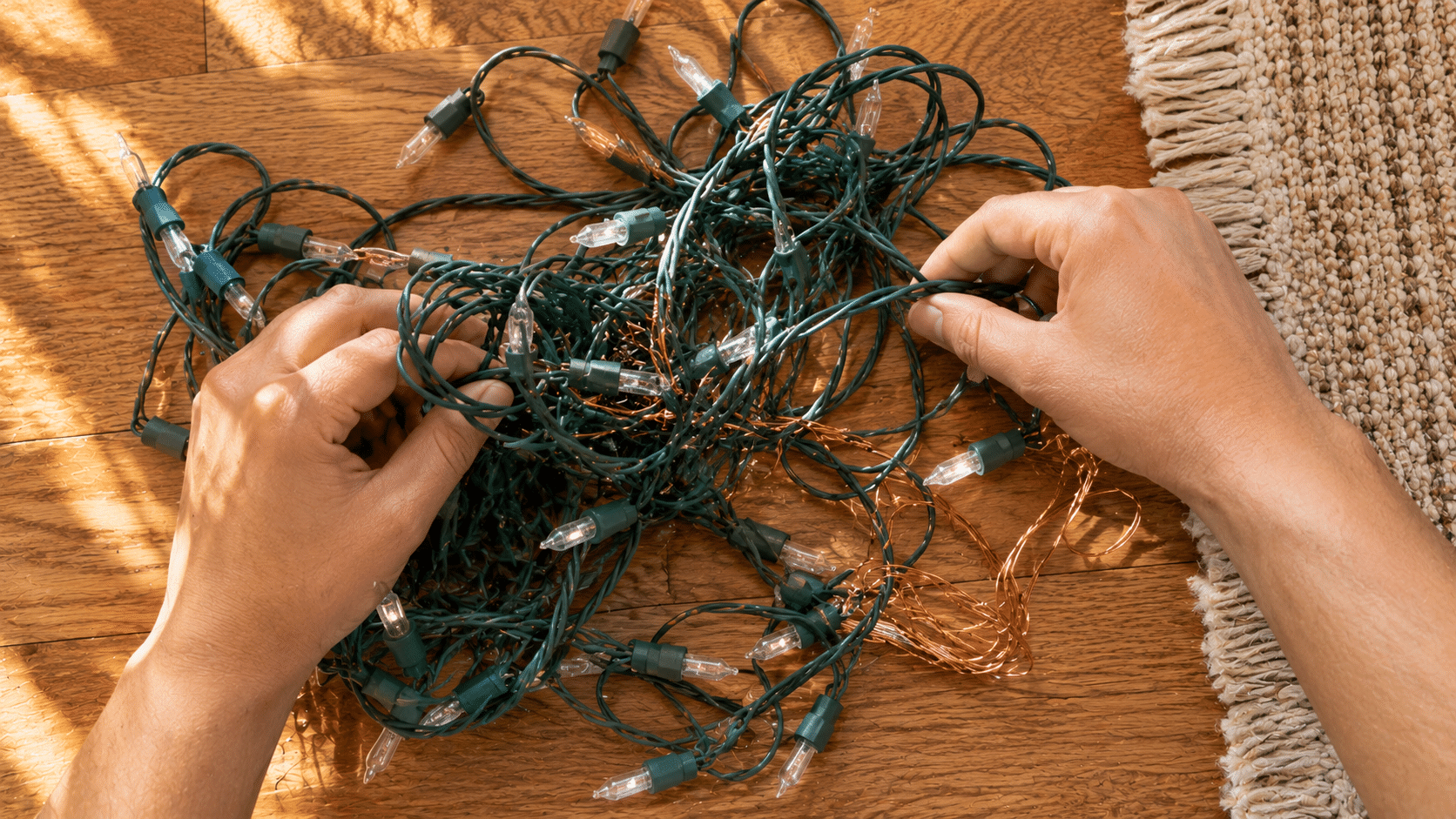
Every November, families pull storage bins from the attic and discover tangled strands of holiday lights that no longer work. Some have broken bulbs, others have damaged wires, and many have simply stopped lighting up. Before sending them to the curb, consider where those old decorations should go. Holiday lights contain copper, plastic, and other materials that can enter appropriate electronics recycling streams.
Holiday light strands are often made with long, flexible wires connected to small bulbs, sockets, and plastic components. These characteristics can create problems at conventional curbside recycling facilities. The cords may wrap around sorting equipment, interfere with moving parts, and require workers to stop operations to remove tangled material.
For this reason, many municipal recycling programs do not accept string lights in their regular single-stream bins. Placing them there can contaminate other recyclable materials or create additional work for sorting facilities. Electronics recycling programs and specialized holiday light collection events may offer a more appropriate route.
Before dropping off a strand, check the collection program’s accepted-item list. Some programs accept both traditional incandescent lights and LED strands, while others have specific requirements for decorative lighting, extension cords, and accessories.
A holiday light strand may look like a simple decoration, but it contains several materials. Their composition varies depending on the design, manufacturer, and whether the strand uses incandescent bulbs or LEDs.
Copper conductors carry electricity along the strand. Copper is a valuable recyclable metal that can be recovered and used in products such as electrical wiring and other manufactured components.
Electrical plugs and connectors contain metal contacts and other components. Depending on the design, these may include copper-based alloys and other recyclable metals.
Plastic coatings protect the wires and help insulate electrical connections. Some plastic fractions may be separated during specialized processing, depending on their composition and the available recycling technology.
Traditional bulbs contain glass and metal components. LED strands contain small electronic components and semiconductor materials that require appropriate downstream handling.
The recovery process depends on the type of strand and the capabilities of the recycling facility. Specialized processors may separate metal conductors from plastic insulation through mechanical or other material-processing methods. The recovered fractions can then be evaluated for further processing and potential use in manufacturing.
Not every strand of holiday lights has the same construction. Older incandescent decorations use small bulbs with filaments, while LED strands use light-emitting diodes. This difference affects their energy consumption, internal components, and recycling considerations.
Regardless of the lighting technology, broken or outdated strands should be kept out of regular recycling bins unless the local program specifically accepts them. Contact a collection facility to confirm the correct destination.
A little preparation helps keep old decorations organized and makes collection easier. Follow these practical steps before bringing your lights to a recycling program:
Holiday decorations often leave more than broken light strands behind. Once the season ends, households may also find damaged extension cords, electronic timers, light-up ornaments, animated decorations, and other electrical accessories that are no longer useful.
These items can contain wiring, circuit boards, motors, batteries, and plastic housings. Their recycling requirements vary, so avoid placing them all in the same curbside container. Separate the items by type and contact a local electronics recycling program to confirm what it accepts.
Batteries deserve particular attention. Remove only batteries that are designed to be easily accessible and follow the collection program’s instructions. Do not attempt to open sealed decorations or remove built-in batteries by force. Damaged or swollen rechargeable batteries require special handling.
Copper, plastics, and electronic components can remain useful when they are collected and directed to appropriate recycling channels. Separating old decorations from regular household waste helps protect sorting equipment and supports better material recovery.
The holiday season brings lights, decorations, and time with family. When the decorations come down, take a moment to sort the ones that no longer work. That tangled box in the attic can be the starting point for a more responsible recycling decision. Before buying another set next season, make sure the old strands have been sent to a collection program that can handle them properly.
Have old holiday lights, household cables, or other electronics waiting to be sorted? Contact eSmart Recycling to confirm accepted items and available collection options. You can also explore our recycling services to learn more about our electronics collection programs.
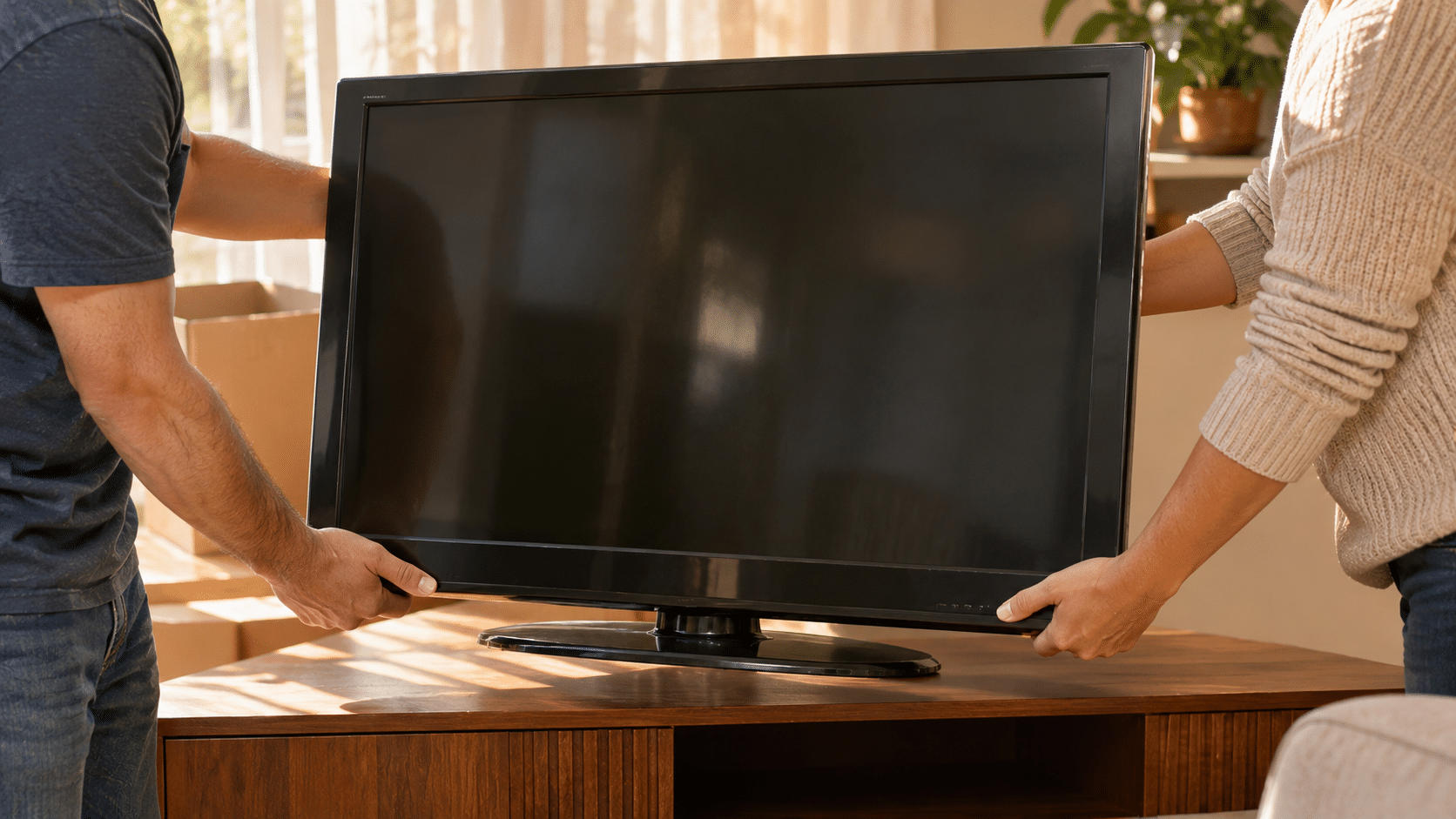
Black Friday brings plenty of home entertainment upgrades across Florida. A new 4K OLED television can make its way into the living room, while the previous screen gets moved to a spare bedroom, a garage, or a storage closet. Sooner or later, households face an important question: what should happen to an old flat-screen television when it is no longer needed?
Televisions contain a combination of glass, plastics, metals, circuit boards, and electrical components. Their materials vary by screen technology and model, which makes proper electronics collection an important part of responsible disposal. Before placing an old TV at the curb or sending it to a landfill, check local electronics recycling options.
A flat-screen television may look like one large piece of glass and plastic, but its construction is more complex. Several assemblies work together to display images, manage power, process signals, and produce sound. These components contain materials that may be recovered through appropriate electronics recycling processes.
| TV component | Common materials | Recycling considerations |
|---|---|---|
| Power and control boards | Copper, aluminum, circuit board substrates, and electronic components | Specialized processors can recover selected metals from electronic assemblies. |
| Display and backlight system | Glass, optical films, LEDs, and other display materials | Screen assemblies require careful handling. Some older LCD televisions use CCFL backlights containing mercury. |
| Chassis and frame | Steel, aluminum, and ABS or other plastic polymers | Suitable metal and plastic fractions may be separated for further processing. |
| Speakers and connections | Copper wiring, magnets, plastics, and metal connectors | These smaller assemblies contribute additional recoverable materials. |
The exact material composition depends on the television’s manufacturer, age, and display technology. LED and OLED televisions, for example, use different display structures. Older LCD models may contain fluorescent backlights, while newer models commonly use LED-based lighting. This is one reason televisions should be assessed and handled through appropriate electronics recycling channels rather than dismantled at home.
A television can contain materials that are useful when recovered through suitable recycling processes. When an old screen is placed in ordinary household waste, those materials may be lost, and the device can enter a disposal stream that was not designed for electronic equipment.
There is also a practical safety consideration. Flat panels can crack under pressure, and some older display technologies contain components that require special handling. Crushing, breaking, or dismantling a television can expose materials that should remain contained during collection and processing.
Responsible collection gives televisions a chance to enter the appropriate next stage. Depending on their condition, some devices may be suitable for continued use or refurbishment. Others can be directed to electronics recycling channels where selected materials are recovered by specialized processors.
Preparing a television before collection can make transport easier and help prevent avoidable damage. Use these steps when getting an old screen ready:
If the screen is cracked or the television has visible damage, mention its condition when contacting the collection program. Avoid attempting to remove internal components or separate the display layers yourself.
Once a television enters an electronics recycling program, its next destination depends on its condition and the program’s available processing channels. A working unit may be considered for reuse. A device that needs repairs may be evaluated for refurbishment, depending on its model, condition, and repair requirements.
Televisions that cannot continue in use can be directed to appropriate downstream recycling partners. These processors handle different material streams, separating recoverable metals, plastics, glass, and electronic components according to their capabilities. Some materials require additional specialized treatment before they can be used in manufacturing again.
This process helps keep valuable resources in circulation and reduces the amount of electronic equipment sent to ordinary waste disposal. It also gives households and businesses a responsible option when replacing aging screens and other electronics.
Every new television eventually reaches the end of its useful life. Choosing an appropriate collection and recycling route helps recover materials, reduce electronic waste, and keep usable equipment available for another purpose.
Black Friday may be the moment a new screen enters your home, but the story of the old one deserves attention too. Before the retired television ends up forgotten in a garage or placed beside the trash, take a moment to arrange responsible collection. A small household decision can help keep electronic materials in circulation and support better recycling practices across Tampa Bay.
Have an old television taking up space after a home entertainment upgrade? Contact eSmart Recycling to confirm accepted TV types, drop-off requirements, and available collection options. You can also visit our individual drop-off page or follow us on LinkedIn for community collection updates.
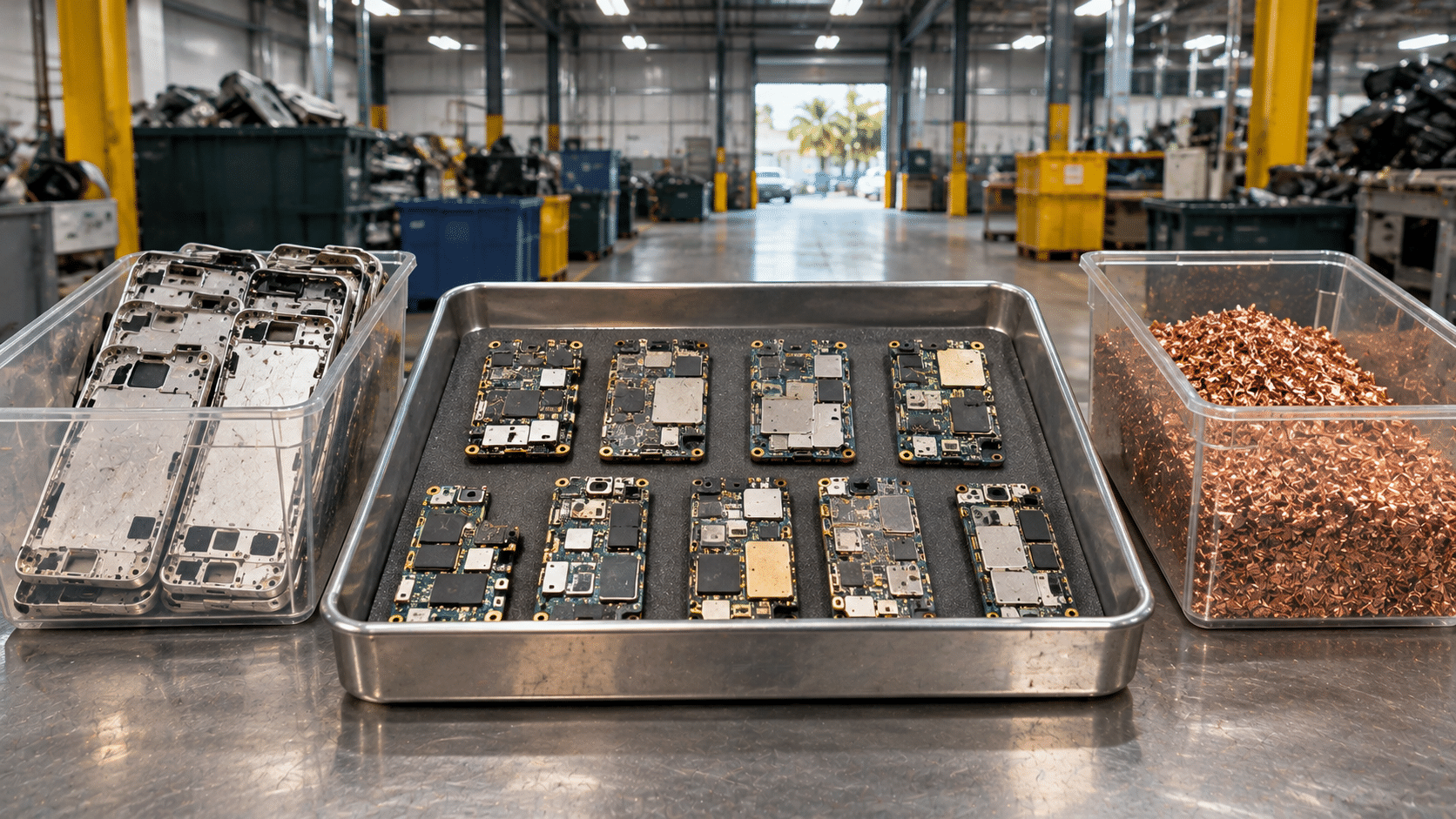
When you bring an old smartphone to an electronics recycling program in Tampa, what happens next? A phone that has been sitting in a drawer for years may still contain reusable components and materials that can serve a purpose elsewhere. Before those materials can be recovered, each device needs to be directed toward the right next step based on its condition, design, and handling requirements.
The process begins when used smartphones arrive through a collection program. Devices can vary widely: some have cracked screens but still function, others have damaged charging ports, and some no longer turn on. Their condition helps determine whether continued use, refurbishment, or material recovery may be appropriate.
An initial assessment can consider the phone’s exterior condition, visible damage, model, and general usability. A device with a minor issue may still have parts worth recovering or may be suitable for repair. A phone with extensive damage may need to enter an electronics recycling stream instead.
Sorting matters because smartphones contain several different materials and components. Sending a usable device directly to material processing can end its service life earlier than necessary. On the other hand, equipment that is no longer suitable for use needs an appropriate route for handling its electronic components.
Most modern smartphones contain rechargeable lithium-ion batteries. These batteries store energy in a compact space and require careful handling during collection, storage, and processing. A damaged or swollen battery can present a fire and safety hazard, so devices should be handled according to procedures appropriate for their condition.
Battery removal and internal disassembly should be left to trained personnel with suitable equipment. The phone should remain intact when it is handed in unless the recycling program provides different instructions. Never puncture, bend, crush, heat, or attempt to remove an internal battery at home.
If a phone is swollen, unusually hot, leaking, or visibly damaged, contact the collection program before transporting it. If a battery begins smoking, hissing, or releasing an unusual odor, move away from the device and call 911.
A smartphone that still works, or can be repaired with suitable parts, may be considered for refurbishment. This can include checking the screen, buttons, cameras, charging connection, speakers, and other basic functions. The exact work depends on the device and the resources available to the refurbishment program.
Refurbishment can extend the useful life of electronics and help make devices available to people who have limited access to technology. For students and families, a working smartphone can support communication, online learning, access to information, and everyday tasks. Reuse also helps delay the need to manufacture a replacement device and reduces the amount of equipment entering the recycling stream.
At eSmart Recycling, collected technology supports a broader reuse and donation effort. The company has distributed close to 3,000 devices, benefiting more than 12,000 children and families. Devices must still be assessed for their condition and suitability before they can be considered for another user.
Smartphones that cannot be reused may enter appropriate electronics recycling channels. Their compact design brings together many materials in a small space, including:
Specialized downstream processors use different methods to separate and recover materials from electronic equipment. The exact process depends on the device, the materials being handled, and the equipment available at each facility. Recovered materials can then become inputs for manufacturing and other industrial uses.
Keeping phones out of ordinary household trash also helps prevent electronic components and rechargeable batteries from entering waste streams that are not designed to handle them. Proper collection gives these materials a route toward reuse or specialized processing.
A few preparation steps can make handing in a phone easier. Before taking it to a collection program, review the manufacturer’s instructions and your own data and privacy requirements.
Businesses and institutions should also follow their internal IT and privacy procedures before releasing devices. Each organization is responsible for determining how its information should be handled before equipment leaves its control.
Every smartphone contains materials that took resources to produce. When a device is collected through a suitable program, it can be assessed for continued use, refurbishment, or material recovery. These steps help reduce electronic waste and keep useful resources in circulation.
Have old phones stored at home, in an office, or in a storage room? eSmart Recycling collects used technology and supports reuse, refurbishment, and responsible electronics recycling. Contact the team to confirm accepted devices and available collection options before bringing your smartphones or other electronics to the facility.



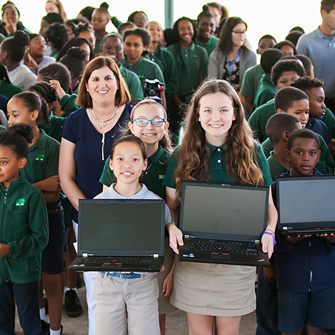



Did you enjoy our latest blog articles just above?
Subscribe to receive new stories, insights, and impact updates straight to your inbox.
We’ll send you curated content about our partners, recycling strategies, success stories, and how your involvement is driving change through technology access and digital empowerment.
💡 No spam, just the smart stuff.